Hit enter to search or ESC to close
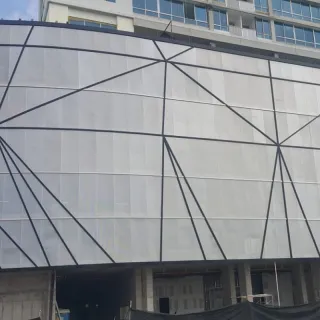
Advantages of perforated exterior walls
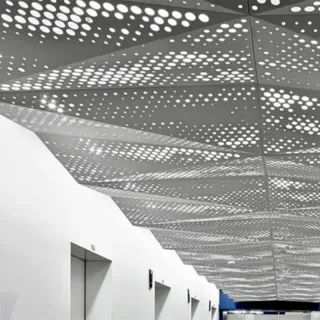
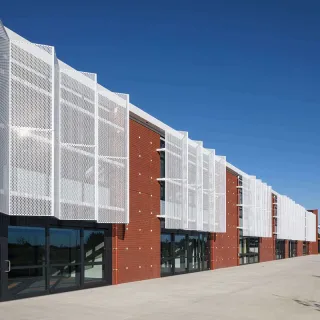
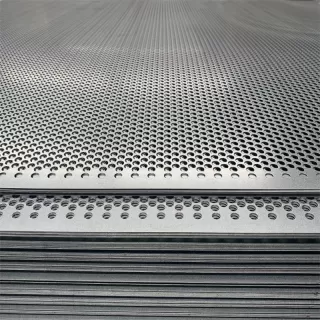
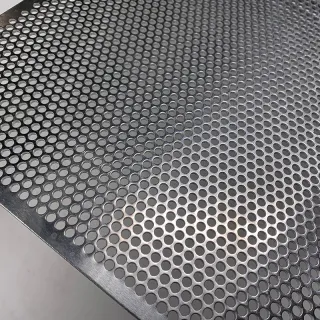
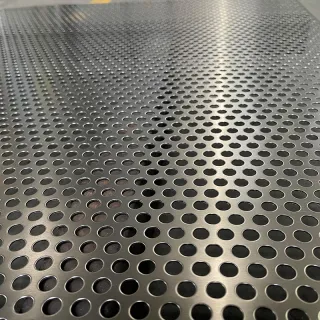
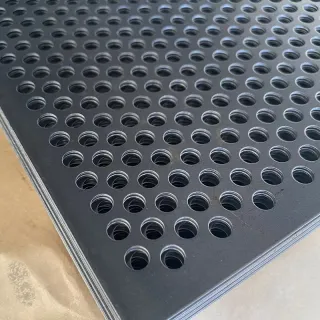
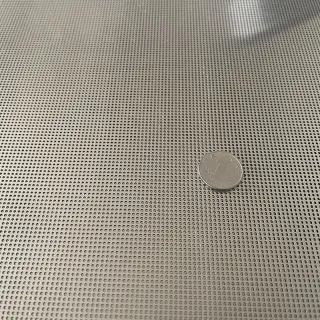
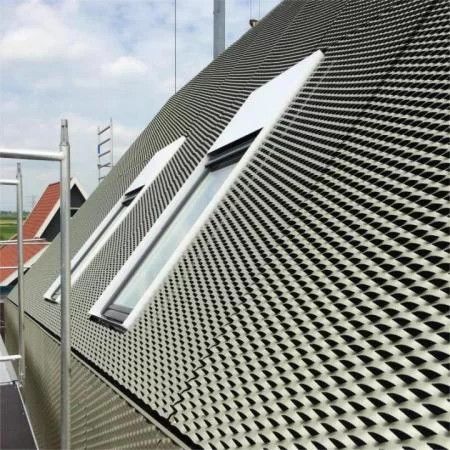
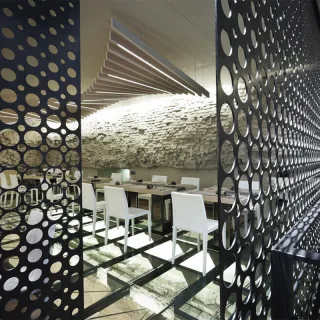
Some residential floors need sun protection and privacy, but do not affect the broad urban landscape. Therefore, staggered round holes are often used,usually 2mm and 3mm the thickness of aluminum sheet, it’s a modern and classic profile, creating a hidden visual effect. It is an ideal choice for privacy and shading, and won’t affect the appearance of residents. At the same time, spraying the surface can not only increase the service life, but also combine bright colors with punching patterns to achieve visual effects. The unique design of the facade allows each apartment to be flooded with natural light while maximizing the beautiful water and district views. YILIDA offers a wide selection of perforation patterns, sizes and materials – from steel to aluminum, brass and copper – perforated metal facades can control a building's environmental elements, including light, airflow, heat and sound.
Product Description
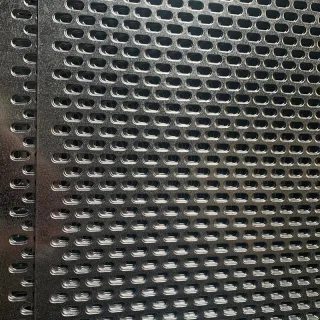
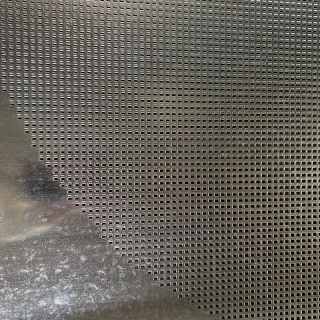
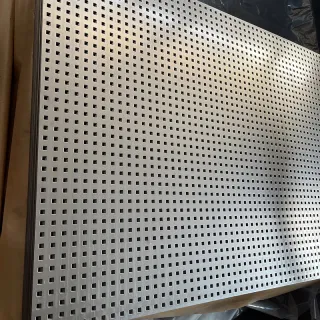
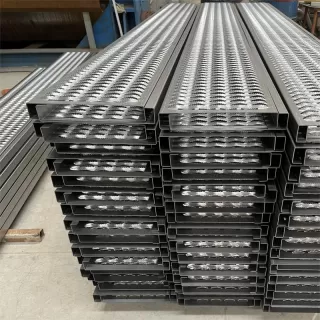
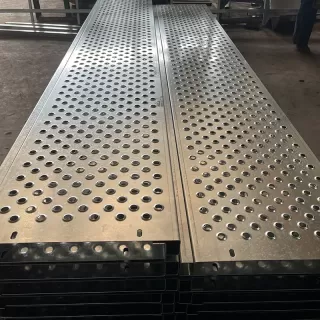
Perforated Exterior Wall systems are advanced façade solutions that merge architectural creativity with functional performance. Designed using precision punching technology, these panels feature consistent and customizable perforation patterns that enhance a building’s visual appeal while delivering practical benefits such as ventilation, shading, and protection.
Manufactured from high-quality materials including aluminum, galvanized steel, and stainless steel, perforated exterior wall panels offer outstanding durability and structural integrity. They are engineered to withstand harsh weather conditions, resist corrosion, and maintain long-term stability in outdoor environments. With appropriate surface treatments such as powder coating, PVDF, or anodizing, the panels retain vibrant color, resist UV damage, and require minimal maintenance over their service life.
One of the key advantages of perforated façade systems is their ability to balance openness and coverage. The perforations allow air and light to pass through, creating natural ventilation and reducing solar heat gain. This contributes to improved energy efficiency and indoor comfort, particularly in large commercial or public buildings. At the same time, the panels can effectively screen mechanical equipment, parking areas, or structural components without sacrificing design aesthetics.
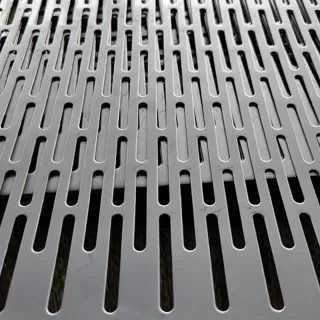
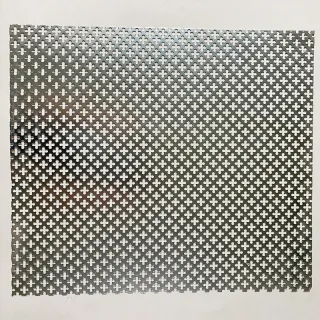
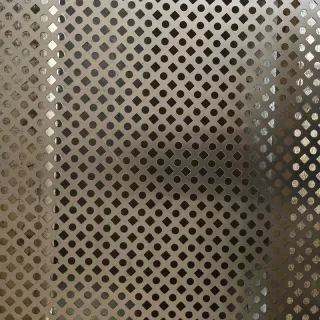
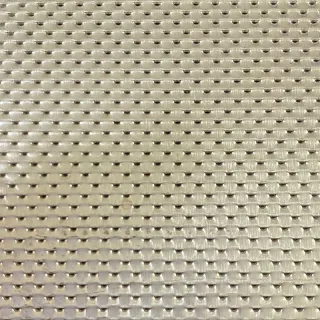
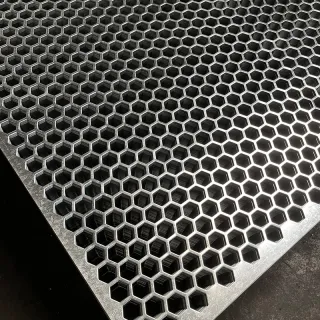
Architects value perforated exterior walls for their versatility in creating dynamic visual effects. Different hole shapes, diameters, spacing, and panel sizes can be combined to produce patterns ranging from simple geometric layouts to complex customized designs. This flexibility enables designers to express brand identity, cultural elements, or artistic themes directly on the building envelope.
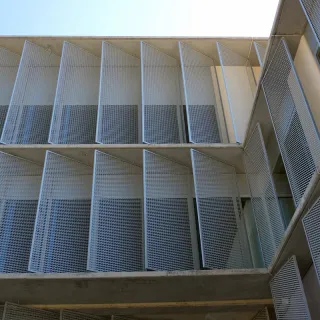
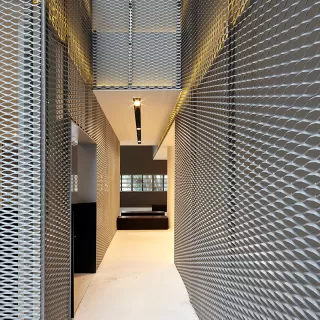
In terms of application, perforated exterior wall systems are widely used in shopping malls, office towers, airports, stadiums, museums, and residential complexes. They can function as cladding, sunshades, balcony screens, or decorative façades. The lightweight nature of the material simplifies installation and reduces the structural load on buildings, helping contractors improve efficiency and control project costs.
Additionally, maintenance access can be conveniently integrated into the system, allowing easy inspection of the space behind the façade. The robust construction ensures safety and reliability even in high-traffic or high-wind areas.
By combining modern aesthetics, environmental performance, and engineering reliability, perforated exterior wall solutions provide a smart choice for contemporary architecture. They enable developers and designers to achieve iconic appearances while meeting demanding functional and sustainability requirements.
Features